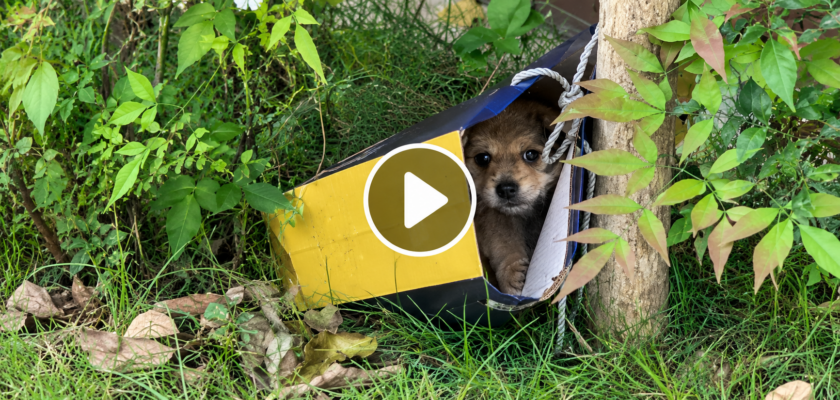
ally cover the area around the box, while the nearby pavement suggests that people regularly pass through the location. From the camera’s perspective, the puppy’s face becomes the most noticeable feature in the scene. Its small size makes the box appear like a temporary shelter, although the footage alone cannot tell us whether it was intended to serve that purpose or how long the animal had been there.
For many people who care deeply about animals, discovering a puppy in such circumstances can be an emotional experience. A young dog cannot explain where it came from, how it arrived at a particular location, or whether someone is expected to return. Instead, people must pay attention to its condition and surroundings to determine what kind of assistance may be necessary. A careful response can make an important difference, especially when the animal is too young to navigate unfamiliar environments independently.
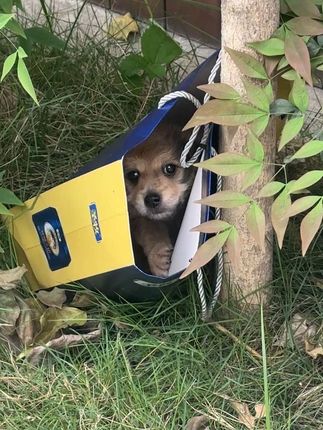
One of the most valuable aspects of the video is that someone appears to have noticed the puppy and brought attention to its presence. The camera moves closer, allowing viewers to see the small dog more clearly inside the box. That simple act of noticing matters because animals in roadside vegetation can easily go unseen by people who are focused on their daily routines. Taking a moment to investigate an unusual situation can be the first step toward helping a vulnerable animal receive the care it needs.
Finding a puppy outdoors does not always mean that the animal has been abandoned, so it is important to approach the situation thoughtfully. If the location is safe, a person can observe from a short distance to see whether a caregiver is nearby, while remaining alert to traffic and other potential dangers. If the puppy appears injured, weak, distressed, or exposed to immediate hazards, contacting a local animal rescue organization or veterinarian can help ensure an appropriate response. The goal is to protect the animal without accidentally creating additional risks.
For a puppy that genuinely has no caregiver, the first hours after discovery can be especially important. A safe, quiet environment helps reduce stress, while access to suitable food and clean water should be arranged according to the animal’s age and condition. Very young puppies may require specialized feeding and care, so it is best not to assume that ordinary adult dog food will meet every need. A veterinary professional can assess the puppy’s health, estimate its age, and recommend the most appropriate next steps.
The yellow box in the video also highlights a broader issue facing communities in many parts of the world: the welfare of stray and abandoned dogs. Although the circumstances surrounding this particular puppy remain unknown, countless animals depend on responsible human decisions throughout their lives. Some are born outdoors, some become separated from their families, and others lose their homes when their owners can no longer provide proper care. Whatever the circumstances, each animal benefits when people respond with patience, compassion, and a willingness to seek practical solutions.
Responsible pet ownership begins long before a dog becomes part of a household. Anyone considering adopting a puppy should think carefully about the time, space, veterinary care, and financial resources needed to raise it responsibly. Puppies grow quickly, but their needs extend well beyond the excitement of bringing a new companion home. Providing consistent care, positive training, regular health checks, and a safe living environment helps young dogs develop into confident and healthy companions.
Communities can also help prevent situations in which puppies are left without appropriate care. Local animal welfare groups, veterinary clinics, foster networks, and adoption programs often provide valuable support for people who discover animals in need. When responsible organizations work together, they can help arrange temporary shelter, medical assessments, and suitable permanent homes. These efforts are especially important for young dogs, whose early experiences can influence their health, behavior, and ability to trust people.
For anyone who finds a puppy in a box or another unusual outdoor location, documenting the circumstances responsibly may also help. A clear photograph of the general surroundings, combined with accurate information about where the animal was found, can assist a rescue group in understanding the situation. However, sharing unverified accusations about a particular person or claiming to know the animal’s history can create confusion and unfairly assign blame. It is better to focus on the puppy’s immediate welfare and allow the available evidence to guide further action.
The small dog in the video reminds viewers that compassion does not always begin with a dramatic rescue. Sometimes it begins with a person noticing something unusual beside a familiar walkway and deciding that the animal deserves attention. A single observation can lead to a conversation with a rescue volunteer, a visit to a veterinary clinic, or an opportunity for a family to offer temporary foster care. Each step, however small, can contribute to a safer future for an animal that might otherwise remain unnoticed.
Although the footage does not show what happens to the puppy after the recording ends, its story invites us to imagine the positive possibilities that responsible intervention can create. With the right assistance, a puppy found in an uncertain situation may receive a health check, nutritious food, a comfortable place to sleep, and the reassurance of gentle human contact. If the dog is eventually placed with a suitable adoptive family, the little animal could grow up surrounded by the security and affection that every companion animal deserves. Such an outcome cannot be confirmed from this short video, but it represents a hopeful possibility worth working toward.
Imagine the puppy leaving the roadside behind and settling into a clean, comfortable bed in a quiet home. Instead of an unfamiliar box surrounded by shrubs, it could have a warm place to rest, toys to explore, and caring people who understand its needs. With patience, veterinary attention, and positive experiences, the little dog could gradually become more confident and learn that human companionship can bring safety and comfort. For countless rescued dogs, these ordinary moments eventually become the foundation of a much happier life.
The most meaningful message from this brief encounter is that vulnerable animals should never be treated as invisible. Whether a puppy has become separated from its owner or needs help finding a permanent home, responding responsibly gives it a better chance of receiving appropriate care. The video may capture only a few seconds of the dog’s life, but it encourages a larger conversation about kindness, animal welfare, and the importance of protecting pets in our communities. Sometimes, the beginning of a better future is simply someone taking the time to notice a little dog that needs help.
In the end, the puppy inside the yellow box represents both a concern and a reason for hope. Its exact circumstances remain unknown, but the sight of the small animal reminds us how much difference thoughtful human action can make. Somewhere beyond the brief footage, there may be an opportunity for the puppy to receive care, find a loving family, and grow into a happy, healthy dog. By choosing compassion, supporting responsible animal rescue, and encouraging proper pet care, we can help turn uncertain beginnings into brighter futures for dogs who need a second chance.


