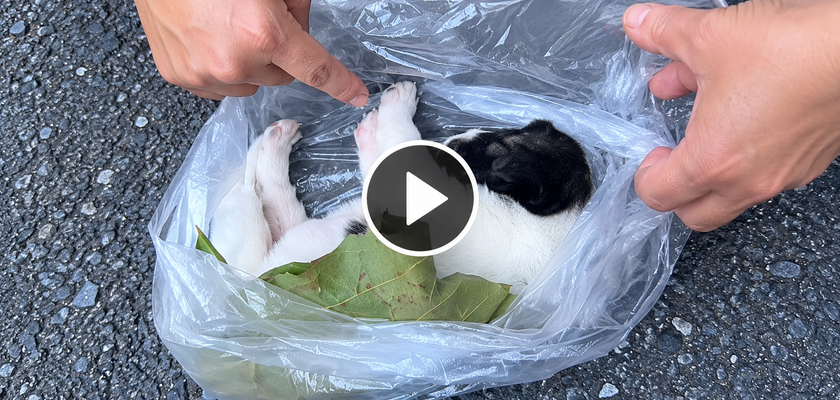
Sometimes, the most meaningful moments happen during an ordinary day when nobody expects anything special. A child finishing school may usually think about homework, playing with friends, or returning home to spend time with family. But in a heartwarming story shared online, one young student reportedly came across a stray dog and decided to bring the little animal home, turning an ordinary afternoon into a memorable encounter.
The video description suggests that the child found the dog while returning from school and chose to take it along rather than simply walk away. For many people who care about animals, this small decision represents something important: the willingness to notice a vulnerable creature and offer it a chance to experience kindness. Although the full circumstances of the discovery and the dog’s background are not confirmed, the story provides a lovely reminder that compassion can begin with a simple action.
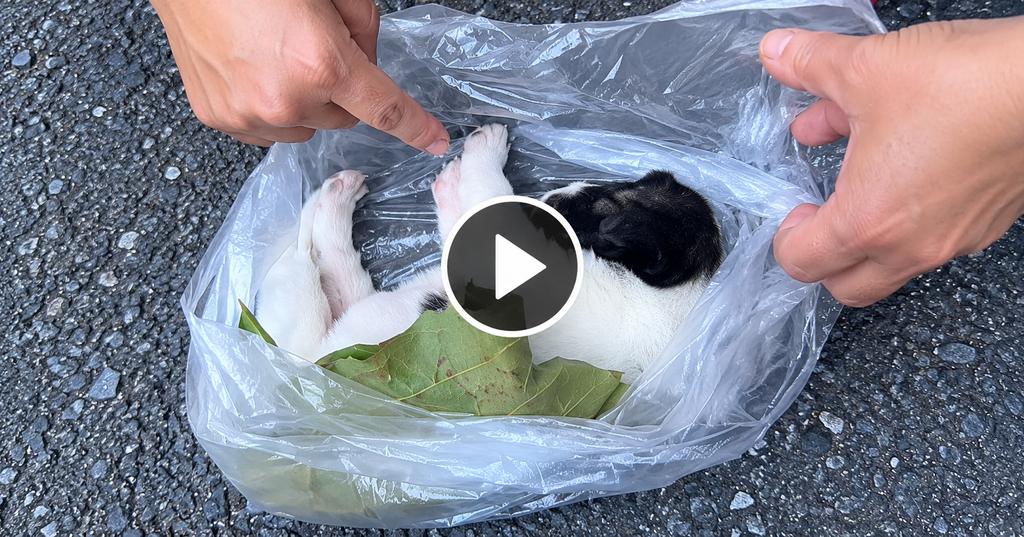
Stray dogs often face uncertain days as they search for food, water, shelter, and a safe place to rest. Some may have become separated from their families, while others may have been abandoned or born without a permanent home. A young dog encountered on the street may be especially vulnerable because it has limited experience navigating busy roads and unfamiliar surroundings.
For a child, seeing a little dog alone can naturally create a desire to help. Children often respond to animals with curiosity and affection, and they may quickly imagine how much better life could be for a dog with a caring family. Bringing an animal home, however, is also a decision that requires adult support, because a pet needs much more than a temporary place to stay.
One of the most important parts of this story is the opportunity it creates for a family to talk about kindness and responsibility. A child may be the first person to notice an animal in need, but adults must help determine the safest and most appropriate way to respond. Before welcoming a stray dog into a household, it is important to consider the animal’s health, check whether it may belong to someone nearby, and make sure the family is prepared to provide ongoing care.
If a dog is found alone, the first step should be to observe it carefully and approach gently. An unfamiliar animal may be frightened, hungry, or unsure about human contact, even if it appears friendly. Allowing the dog to approach voluntarily, avoiding sudden movements, and asking an adult for help can make the encounter safer for both the child and the animal.
It is also possible that a dog found outdoors has become separated from its owner rather than being abandoned. Checking with nearby residents, looking for identification, and contacting a local animal welfare group or veterinary clinic may help determine whether the dog has a family searching for it. These steps can prevent a well-intentioned rescue from unintentionally separating a pet from the people who care about it.
If no owner can be identified and the family decides to provide temporary care, a visit to the veterinarian is a sensible next step. A professional can check the dog’s general condition, look for common health concerns, and advise on vaccinations, parasite prevention, nutrition, and other needs. This is particularly important when the animal’s medical history is unknown.
A comfortable resting area can help a newly rescued dog settle into its surroundings. Fresh drinking water, suitable food, a clean place to sleep, and a calm environment are useful starting points. The family should also give the dog time to become familiar with its new surroundings rather than expecting it to feel completely comfortable immediately.
For the child, caring for the dog can become a meaningful learning experience. With adult supervision, simple responsibilities such as helping prepare meals, refreshing the water bowl, or keeping the sleeping area tidy can teach patience and consistency. These everyday activities help children understand that caring for an animal is not only about enjoying playful moments but also about meeting its needs every day.
A dog entering a new home may need time to adjust to unfamiliar sounds, people, and routines. Some animals become comfortable quickly, while others remain cautious until they understand that they are in a safe environment. Giving the dog space, using gentle interactions, and maintaining a predictable routine can help build trust over time.
Families should also think carefully about how a new dog will interact with existing pets and household members. Introductions are best handled gradually, with supervision and enough space for every animal to feel comfortable. Children should learn not to disturb a dog while it is eating, sleeping, or resting, and they should always have an adult nearby during the early stages of the relationship.
Stories like this also highlight the important role that communities can play in helping stray animals. A neighbor may offer temporary shelter, a local rescue volunteer may help arrange a veterinary visit, or someone may know a family interested in responsible adoption. When people share information and work together, a dog that once seemed to have no place to go may find a much safer future.
Social media can help these efforts when used responsibly. A clear photograph and a general description of where the dog was found may help locate a possible owner or connect the animal with a suitable adopter. Posts should avoid revealing unnecessary personal information, and families should take reasonable steps to ensure that anyone offering to adopt the dog is prepared to provide a safe and caring home.
The story also offers a reminder that animal welfare education can begin at a young age. Children can learn that dogs are living companions with individual personalities, needs, and boundaries. They can be encouraged to show kindness not only to animals they find adorable but also to those that are shy, older, or less accustomed to human attention.
Not every child who finds a stray dog will be able to bring it home permanently, and that is perfectly understandable. A family may have limited space, financial responsibilities, or other circumstances that make adoption difficult. Even so, helping contact a rescue organization, providing information, or finding a temporary foster home can be valuable ways to make a difference.
Responsible adoption means thinking beyond the excitement of the first day. Dogs need regular meals, exercise, grooming, training, veterinary care, and companionship throughout their lives. When a family makes a thoughtful decision to adopt, it offers the animal more than a place to sleep; it provides the possibility of a stable relationship built on patience and trust.
For the child in this story, bringing home a little dog may become one of those childhood memories that remains meaningful for years. The experience can teach an important lesson about noticing others, responding with compassion, and understanding that even a small act of kindness can matter. It may also become the beginning of a special friendship if the family is able to provide the care the dog needs.
Although the available description does not confirm the dog’s long-term situation, the message behind the encounter is worth celebrating. A child noticed an animal that appeared to need help and chose to respond rather than ignore it. With guidance from responsible adults, that first moment of concern can lead to a safe and positive outcome for the dog.
Ultimately, the most heartwarming part of a rescue story is not simply that a dog enters a home, but that people are willing to make room for kindness in their everyday lives. A stray animal may need food, shelter, medical attention, and patience, while a child may discover the value of responsibility and empathy through caring for it. When compassion is supported by thoughtful decisions, an ordinary afternoon after school can become the beginning of a beautiful new chapter for both a child and a dog.

