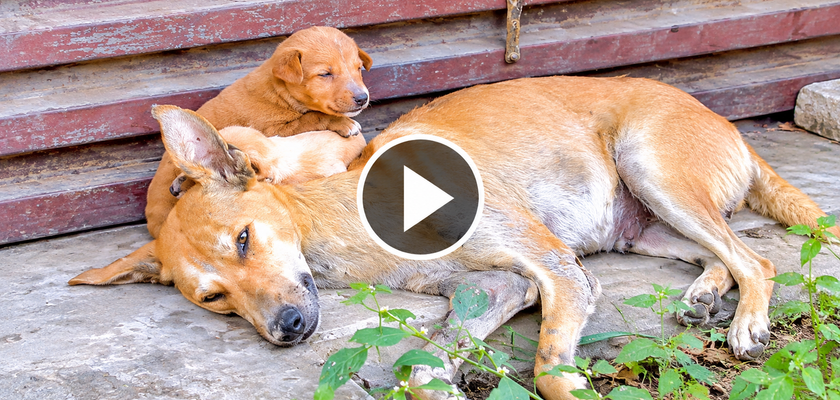
There are moments in an animal’s life when the presence of a mother means everything. For a very young puppy, its mother is a source of warmth, nourishment, protection, and comfort. A touching video shared online carries a particularly emotional message about a little dog growing up without its mother, reminding viewers how vulnerable young animals can be when they lose the care they naturally depend on.
The message accompanying the video expresses a heartbreaking thought: at the very age when a puppy should be resting safely beside its mother, the mother is no longer there. Although the exact circumstances surrounding the puppy’s situation have not been confirmed, the message has resonated with animal lovers because it reflects a reality faced by many orphaned puppies. These tiny animals may have to begin life without the protection and guidance that would normally come from their mother.
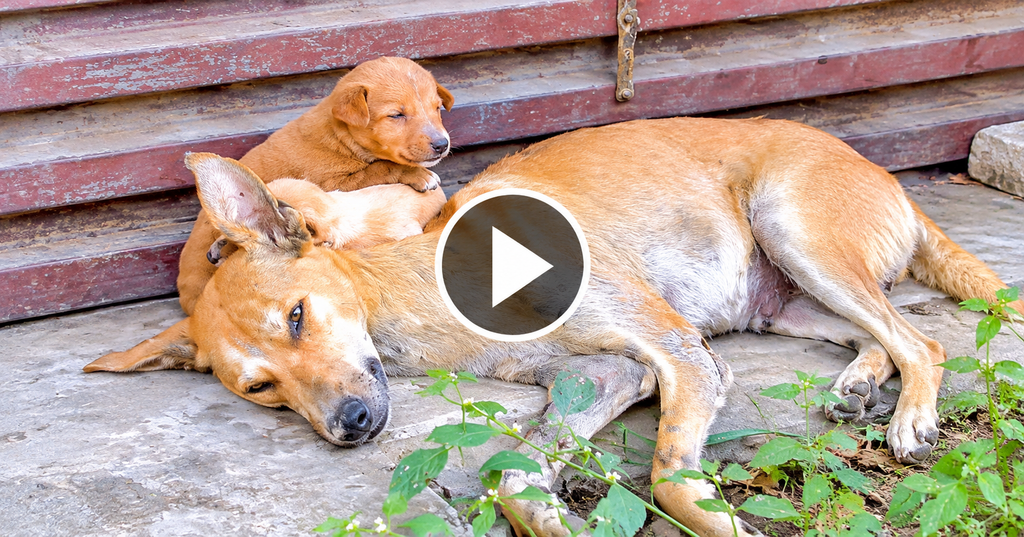
The first weeks of a puppy’s life are especially important. During this period, puppies depend heavily on their mother for warmth, nutrition, cleaning, and protection. They are still developing physically and cannot manage many basic needs independently, making consistent human care essential when the mother is absent.
A mother dog provides more than food and shelter. Her presence also helps puppies feel secure as they gradually become familiar with their surroundings. They learn through contact with their mother and littermates, developing important early behaviors that will influence how they interact with the world as they grow.
When a puppy loses its mother or becomes separated from her, the challenges can be significant. Without proper care, a very young puppy may struggle to maintain body temperature, receive adequate nutrition, and remain healthy. This is why finding appropriate assistance as early as possible can make a meaningful difference in the animal’s well-being.
People who encounter an orphaned puppy may naturally want to comfort it by holding it close and offering affection. Gentle attention can be reassuring, but young puppies also need practical care that matches their age and developmental needs. Their feeding schedule, sleeping environment, warmth, and health should all be considered carefully rather than relying on affection alone.
One of the most important steps is determining the puppy’s approximate age and physical condition. A veterinarian or experienced animal rescuer can help assess whether the puppy needs specialized feeding, medical attention, or additional support. Very young puppies may require a suitable canine milk replacer because ordinary cow’s milk is not an appropriate substitute for their mother’s milk.
Keeping an orphaned puppy warm is another important part of early care. Young animals can have difficulty regulating their body temperature, especially when they are separated from their mother and littermates. A clean, comfortable, and appropriately warm resting area can help create a safer environment while caregivers follow veterinary advice.
Feeding also requires patience and attention. Puppies at different stages of development have different nutritional needs, and feeding methods must be appropriate for their age and ability. Caregivers should follow professional instructions and avoid forcing food or liquid into a puppy’s mouth, as improper feeding can create additional health risks.
As the puppy grows, its needs gradually change. It will eventually begin exploring its surroundings, developing stronger coordination, and learning to interact with people and other animals. A consistent routine, gentle handling, and appropriate socialization can help an orphaned puppy build confidence as it becomes more independent.
The absence of a mother does not mean a puppy cannot have a happy future. With suitable nutrition, veterinary care, a secure environment, and patient companionship, many orphaned puppies can grow into healthy and affectionate dogs. However, their early development requires commitment, particularly when they are too young to care for themselves.
For families considering caring for a motherless puppy, it is important to understand that the responsibility can be demanding. Very young puppies may need frequent feeding throughout the day and night, regular monitoring, and assistance with certain basic needs. Before taking on this role, caregivers should seek advice from a veterinarian or an experienced foster volunteer to make sure they can provide appropriate care.
Animal rescue organizations often play an important role in supporting orphaned puppies. Experienced volunteers may know how to provide age-appropriate feeding, monitor development, and identify signs that require veterinary attention. When one person cannot provide round-the-clock care, contacting a reputable rescue group may help connect the puppy with someone who has the necessary experience and resources.
Another important consideration is whether the puppy has any surviving siblings. Puppies raised together may benefit from familiar contact as they grow, provided they are healthy and their environment is safe. A veterinarian or experienced caregiver can advise on suitable arrangements, especially if the puppies have different health or nutritional needs.
Stories about motherless animals also encourage people to think about the importance of responsible pet ownership. Preventing unwanted litters, providing proper veterinary care, and ensuring that mother dogs and their puppies remain in safe conditions can reduce the number of young animals facing uncertain beginnings. Communities can contribute through education, humane rescue efforts, and support for responsible adoption programs.
Social media can help bring attention to puppies that need assistance. A thoughtful post may reach someone who has experience fostering young dogs or can connect the animal with a local rescue organization. However, people sharing such stories should provide accurate information and avoid making unsupported claims about an animal’s history or health.
There is also a meaningful lesson in the way people respond to vulnerable animals. A puppy cannot explain what it needs, describe its discomfort, or ask someone to provide food and shelter. It relies on the people around it to notice when help is needed and to respond with patience rather than treating it as an inconvenience.
For children who encounter stories like this, the experience can become an opportunity to learn about kindness and responsibility. Adults can explain that caring for a young animal involves more than giving it toys or playing with it. It means making sure the puppy receives proper food, medical attention, a safe place to sleep, and gentle treatment every day.
As the puppy becomes older, a loving home can offer the stability it needs to develop into a confident companion. Regular meals, positive interactions, suitable exercise, and routine veterinary visits all contribute to a dog’s long-term health. Most importantly, the animal can gradually learn that people can provide safety and companionship even though its earliest days were different from those of puppies raised by their mothers.
The emotional message behind this video is powerful because it reminds us that the smallest animals often depend on others more than we realize. A young puppy should normally have the comfort of its mother while learning about the world one day at a time. When that natural support is missing, compassionate people can help fill some of the gaps through careful attention and responsible care.
Although the available description does not reveal the puppy’s full circumstances or what happened afterward, its story deserves to be approached with kindness and sensitivity. Rather than focusing only on sadness, viewers can take away a positive message about the difference that proper care and support can make. Every orphaned puppy deserves an opportunity to grow, explore, and experience the security of a loving environment.
Ultimately, a puppy without its mother still has the possibility of a bright future. It may need extra attention, specialized care, and more patience during its early development, but it should never be considered without hope. When people choose to protect vulnerable animals and work together to meet their needs, they can help turn a difficult beginning into a new chapter filled with warmth, safety, and companionship.

