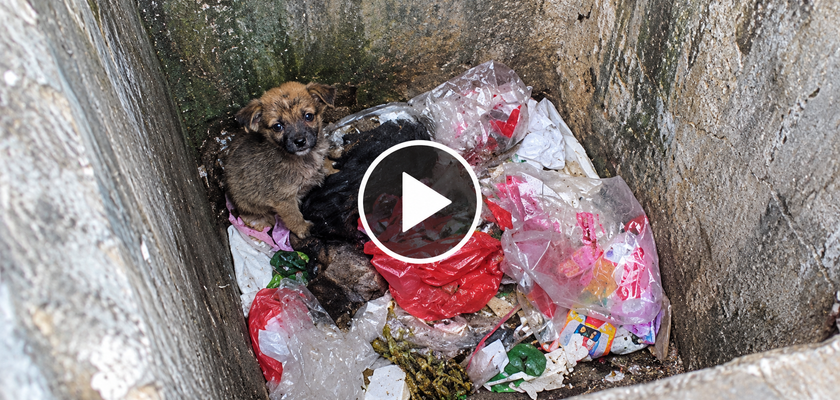
A small puppy found in an unexpected place can remind us just how important kindness and responsible animal care are. The story of a vulnerable young dog reportedly discovered in a trash bin has drawn attention to the challenges faced by animals that may be separated from their families or left without proper protection. For a puppy, the world is still unfamiliar, and even ordinary surroundings can become overwhelming without a caring person nearby. While the circumstances behind this particular situation remain unclear, the story offers an opportunity to reflect on how communities can protect vulnerable animals and help them find a safer future.
For a young dog, a trash bin is far from a suitable place to rest. Puppies need a clean environment, appropriate nutrition, protection from harsh weather, and regular attention from people who understand their needs. An unfamiliar container may expose an animal to uncomfortable temperatures, sharp or unsuitable materials, and other hazards that are difficult for a small dog to recognize. When a puppy is discovered in such a location, ensuring its immediate safety should be the first priority.
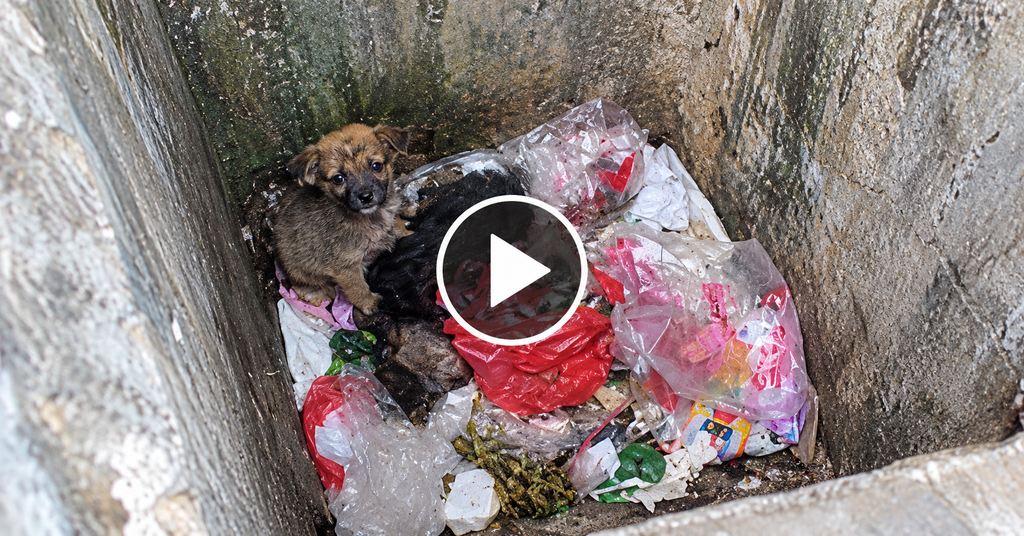
The sight of a little dog in an unexpected place naturally raises questions. How did the puppy get there? Was it separated from its owner, lost while exploring, or left without someone to care for it? Without reliable information, none of these possibilities can be confirmed. What matters most is that an animal found in a potentially unsafe situation deserves a careful assessment and an opportunity to receive appropriate help.
Puppies depend heavily on people during the earliest stages of their lives. They are still developing physically and learning how to respond to unfamiliar environments, sounds, and experiences. Unlike adult dogs, very young puppies may have limited ability to protect themselves or find the resources they need independently. A safe place to sleep, suitable food, clean water, and access to veterinary care can make a meaningful difference to their well-being.
When someone discovers a puppy in a trash bin or another unusual location, a calm and thoughtful response is essential. If the animal can be reached safely, it should be moved away from immediate hazards without unnecessary handling or frightening movements. If it appears injured, weak, or trapped, contacting a veterinarian, local animal rescue organization, or appropriate emergency service is often the safest course of action. People should also be careful around unfamiliar animals, as a frightened puppy may react unpredictably even when it needs help.
Once the puppy is in a secure environment, its condition should be assessed. A veterinarian can check for dehydration, injuries, parasites, nutritional concerns, and other health issues that may not be obvious at first glance. The puppy’s age is also important because very young dogs may require specialized feeding and care. Rather than assuming the animal is healthy simply because it appears alert, a professional examination can help determine what support it needs.
The emotional needs of a rescued puppy deserve attention as well. An animal that has experienced an unfamiliar or stressful situation may need time to feel comfortable around people. Gentle handling, a quiet resting area, and a predictable daily routine can help it gradually adjust. Caregivers should allow the puppy to approach at its own pace and avoid overwhelming it with too much activity or attention during the first few days.
Stories involving animals found in unusual places often lead people to wonder whether someone deliberately abandoned them. Animal abandonment is a serious concern because domestic pets depend on responsible caregivers for their safety and well-being. However, the location where a dog is found does not necessarily establish how it arrived there or who was involved. It is important to distinguish between verified facts and assumptions, especially when discussing a specific incident online.
Regardless of the explanation, every dog deserves humane treatment. If a pet owner can no longer provide adequate care, contacting an animal welfare organization, veterinary clinic, shelter, or responsible adoption network is a far safer alternative to leaving the animal in an unsuitable location. These organizations may be able to arrange temporary foster care, assess the animal’s needs, or help identify a suitable permanent home. Responsible decisions can prevent unnecessary suffering and give pets a much better chance of finding stability.
Animal rescue volunteers play an important role in helping puppies and other vulnerable pets. Their work can include responding to reports, arranging safe transportation, coordinating veterinary appointments, providing temporary shelter, and communicating with potential adopters. Some animals need only a short period of support before they are ready for adoption, while others require more extensive medical care or rehabilitation. Each case is different, and a thoughtful approach helps ensure that the animal receives attention suited to its individual circumstances.
Foster families can also provide an important bridge between rescue and permanent adoption. A temporary home gives a puppy a chance to rest, develop healthy routines, and become familiar with ordinary household life. Foster caregivers can observe the animal’s personality, feeding habits, and behavior around people, helping a rescue organization determine what kind of permanent home might be most appropriate. For a young dog, these early positive experiences can help build confidence and support healthy social development.
Finding a permanent home requires more than simply choosing someone who thinks a puppy is cute. Prospective adopters should understand the long-term responsibilities of caring for a dog, including food, vaccinations, veterinary visits, training, exercise, and daily companionship. Puppies also need patience as they learn household routines and develop appropriate behavior. A responsible adoption process helps ensure that the animal enters a home where its needs can be met throughout its life.
Communities can contribute to animal welfare in many practical ways. Sharing verified information about a found puppy may help locate its owner or connect it with a reputable rescue organization. People can also support local shelters through donations, volunteering, fostering, or helping promote responsible adoption. Even small acts of assistance can make a difference when they are directed toward an animal’s actual needs and carried out safely.
Education is another important part of preventing situations in which pets are left without proper care. Children and adults alike can learn that animals are living beings that experience discomfort, fear, and the need for security. Teaching people to approach unfamiliar dogs carefully, report animals in distress, and seek help from qualified professionals encourages a more compassionate community. Responsible pet ownership begins with understanding that bringing a dog into a home creates a lasting commitment.
For a puppy that has been rescued from an uncertain situation, recovery may involve several small milestones. It might begin with eating appropriate meals regularly, sleeping comfortably, and becoming more relaxed around its caregivers. Over time, the puppy may start exploring its surroundings, playing with suitable toys, and responding with greater confidence to gentle interaction. These everyday moments can be meaningful signs that the animal is adjusting to a safer environment, although each puppy progresses at its own pace.
The possibility of a happier future is what makes animal rescue so meaningful. Imagine a little puppy resting in a clean bed, receiving regular meals, and discovering that its new caregivers will treat it with patience and affection. Instead of facing an uncertain environment, it could grow up with a consistent routine, opportunities to play, and access to the veterinary care necessary for a healthy life. This is the kind of future responsible rescue efforts aim to make possible for vulnerable dogs.
Of course, not every rescue story follows the same path. Some puppies need additional medical attention, while others may require more time before they feel comfortable in a new home. A responsible caregiver understands that progress can be gradual and that the animal’s needs must come before expectations about how quickly it should recover. With appropriate support and realistic expectations, many dogs can go on to enjoy rewarding lives as beloved companions.
The story of a puppy reportedly found in a trash bin also encourages people to look beyond the immediate circumstances and consider what can be done to help. Expressing concern is a natural response, but practical action is what creates opportunities for change. Reporting a vulnerable animal, supporting legitimate rescue organizations, and promoting responsible pet ownership can help transform concern into meaningful assistance. These efforts also remind people that preventing future incidents is just as important as responding to individual cases.
Ultimately, a little puppy should have the opportunity to grow up in a place where it is safe, cared for, and treated with kindness. Although the full details of this particular incident are not confirmed, the broader message remains clear: animals depend on people to make responsible choices on their behalf. A puppy that begins life in uncertain circumstances may still have the opportunity to experience comfort, companionship, and the security of a loving home. With compassion, appropriate care, and support from the community, we can help give vulnerable dogs the brighter future they deserve.


